

In this blog, we take a closer look at some of the most common challenges in transport ( from mechanical and temperature-related issues to regulatory, documentation, and handling problems) and share practical ways to deal with them, based on real-life experience.
Logistics has always been a matter of planning, coordination, and foresight. What we usually see is the final delivery, but that is only the tip of the iceberg. Behind it lies the collaboration of many different professionals, services, and decision points working together to make a shipment successful.
Within all these behind-the-scenes stages, prevention plays a key role. In fact, most mistakes, and many claims, happen long before the truck even starts its journey.
Drawing from experience on the road, inside warehouses, and throughout the cold chain, we’ve gathered simple (though not always obvious) practices that can make a real difference. Our goal is to help reduce risks and minimize damages while always being ready to handle challenges when they arise.
 Palletization & airflow issues — The invisible risk
Problem: Even if your trailer is at the right temperature, poor palletization can block airflow and create hot/cold spots — leading to compromised products once they reach the customer.
Typical causes:
- Overstacked pallets touching the reefer walls
- Uneven weight distribution
- Blocking ventilation channels
Solution checklist:
 Allow space between pallets for airflow Follow stacking guidelines appropriate for the product (fragile vs dense) Use gap spacers when needed Review pallet configuration at loading, not just on paper
Palletization may seem like a basic step, but it’s one of the most critical factors in maintaining product integrity throughout the journey.
 Temperature control — Frigo Challenges from Orchard to Door
Transporting perishables requires precision.
Common frigo issues:
 Temperature fluctuations during loading/unloading Delays at terminals without proper power supply Inconsistent monitoring during transit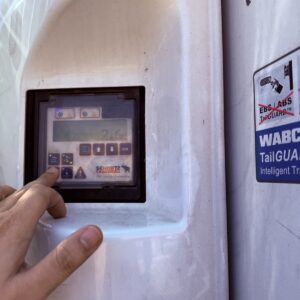
Best practices to mitigate:
- Pre-cool trailers before loading so that initial heat is not absorbed by the cargo
- Continuous monitoring with reliable sensors and alarms
- Protect product during door openings at warehouses with quick procedures
- Ensure power backup or reefer plug access at stops
Especially in summer months, these small adjustments can mean the difference between fresh and compromised loads.
 Delays & their ripple effect
Delays have cascading consequences:
Where delays happen:
- Loading starts late due to production
- Congested terminals
- Border processing
- Traffic and weather
 Impacts include:
- Missed delivery windows
- Driver schedule disruptions
- Forced overnight stays
- Increased insurance risk
Solutions:
- Build realistic buffers in schedules
- Communicate early when delays occur
- Use real-time tracking to inform all parties
- Confirm loading/unloading slots before dispatch
A delay in one place can affect the entire subsequent network so the earlier you spot and communicate it, the smoother the chain becomes.
 Driver schedules & legal requirements
Driver regulations exist for safety and consistency, but they also help protect your delivery timelines.
Key rules to know:
- Maximum daily driving hours with mandatory breaks
- Weekly and bi-weekly rest requirements
- Smart Tachograph 2 usage for accurate digital recording
Failing to respect these rules increases risk of fines and can cause forced stops or rerouting.
What helps:
 Plan with driver breaks in advance Schedule around anticipated rest periods Understand tachograph data and requirements Use tools for precise route timing
Respecting driver schedules for safety reasons as well as predictability in delivery.
 Documentation & regulatory burdens
Missing or incorrect paperwork can stop a shipment at borders or warehouses.
Potential issues:
- Missing CMR or customs documents
- Incorrect cargo descriptions
- Temperature logs out of compliance
Better approach:
- Double–check all shipment documents before departure
- Share digital copies early with warehouses and carriers
- Maintain backups and logs in case of inspection
This proactive documentation avoids hold-ups that can ruin schedules.
 CO₂ Reporting & sustainability requirements
As supply chains modernize, sustainability has come to the front and is expected.
Companies increasingly need visibility into emissions per shipment for reporting purposes (e.g., ISO-aligned CO₂ tracking) and for future compliance.
How to prepare:
- Collect accurate mileage and weight data
- Use tools that integrate emissions reporting
- Build emissions strategy into tendering and logistics planning
Thinking ahead on sustainability makes your logistics more transparent and future-proof.
 How forwarders fit in
Coordinate carriers, warehouses, and documentation Advise on best practices for temperature and handling Plan around driver schedules and border requirements Provide real-time visibility and issue resolutionHaving a logistics partner with experience helps reduce surprises especially regarding damages that often occur from gaps in information or planning.
Solutions start with understanding
Damages and disruptions in transport are rarely random, they’re predictable when you know where to look. From pallet configuration and airflow to driver breaks and temperature control, each link in the chain matters.
By applying practical solutions and open communication between suppliers, carriers, warehouses, and transport planners, we can reduce risk and keep goods and trust moving.