

Small habits that can prevent problems across the supply chain.
Truck drivers are at the center of logistics operations.
They are the ones who see the real conditions of loading points, roads, ports, and border inspections. From our experience coordinating shipments, we have seen how small actions taken by drivers can prevent delays, misunderstandings, or even cargo claims.
Below are a few practical tips based on real situations that often occur in transport operations.
 Mark your cargo bars

Cargo securing bars are essential tools, but they are often mix
ed up or even taken by mistake during loading or unloading.
A simple practice such as marking or coloring your bars can help drivers easily identify their equipment and avoid losing it or confusing it with others at busy warehouses.
Small practical habits like this save time and frustration during operations.
 Follow warehouse safety rules
Every warehouse has its own procedures and safety requirements.
Drivers are often required to follow instructions such as:
- wearing safety equipment
- remaining in designated waiting areas
- respecting loading procedures
These rules are not only about compliance. They protect the driver’s safety and ensure that loading operations run smoothly.
Professional behavior at loading points also helps build trust and respect between drivers, warehouse staff, and logistics partners.
 Communicate issues immediately
Clear communication is one of the most important tools in logistics.
If something unexpected happens during the journey, it is important that drivers inform the forwarder or client immediately.
For example, during border inspections, authorities may open trailers or step on cargo to check the load. This can sometimes leave footprints on boxes or damage wrapping film.
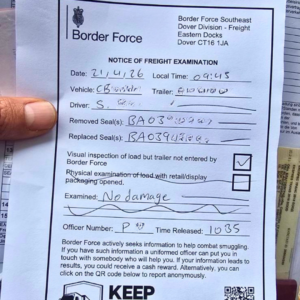
We have seen situations where customers noticed marks on pallets and assumed something more serious had happened, such as unauthorized entry into the trailer.
In those cases, quick communication from the driver can prevent misunderstandings and allow logistics partners to confirm the situation with authorities if needed.
 Use technology to simplify communication
Today, many logistics processes are becoming digital.
Uploading documents, sending quick updates, or sharing photos can help resolve issues faster and keep everyone informed.
Even simple actions such as sending a photo of the cargo condition or temperature readings can help prevent disputes later.
 Check the cargo before departure
Before leaving the loading point, drivers should take a few moments to review the load.
Important checks include:
- verifying that the loading plan was respected
- ensuring pallets are stable and properly secured
- checking the trailer temperature when transporting food cargo

If something seems wrong, it is better to raise the issue before the journey begins.
In many cases, drivers should also make notes on the CMR document if cargo appears unstable or damaged during loading. This protects them from responsibility if problems appear later.
Photos of pallet condition or temperature readings can also provide valuable documentation.
 Read more about Carrier’s responsibilities under the CMR Convention
 Manage driving time carefully
Proper planning of driving hours is essential.
Border delays, ferry schedules, loading and unloading waiting times, or unexpected disruptions can quickly affect delivery plans.
Better planning does not only mean complying with driving hours regulations. It also means anticipating where delays may occur and factoring them into the journey in advance.
Drivers can often reduce pressure by planning for:
- waiting times at loading or unloading points
- border queues and inspection delays
- ferry departure schedules and check-in times
- rest breaks aligned with likely congestion points
This kind of planning helps drivers use their available hours more effectively, avoid unnecessary stress, and reduce the risk of disruptions affecting the final delivery.
In many cases, good time management starts before the truck even departs.
Remember…
Logistics is a team effort🤝
Drivers, forwarders, warehouse staff, and clients all contribute to the success of a delivery. Many issues that lead to delays or claims can be avoided through preparation, communication, and cooperation between everyone involved.
From our experience, small practical actions taken by drivers often make a significant difference in keeping the supply chain running smoothly.